Natural Way to Lower A1c: What Your 3 P.M. and 9 P.M. Sugar Cravings Are Trying to Tell You

If you are looking for a natural way to lower A1c, your sugar cravings may be the clue most advice skips. The pull toward something sweet at 3 in the afternoon, and again at 9 at night, is not only a willpower problem. It can be a sign that the "you already ate" message your gut is supposed to send, the body's own natural GLP-1 signal, is not getting through. And as long as that message keeps getting lost, the cravings keep winning and the A1c keeps creeping up.
It is 3:10 in the afternoon. You had a sensible lunch. You are not even hungry, not really. And yet you are standing in the kitchen with the cupboard open, looking for anything sweet, the same way you did yesterday and the day before.
Then it happens again at 9 p.m. The dishes are done, the TV is on, and the freezer starts calling your name. You hold out for twenty minutes. You lose.
If you have been searching for a natural way to lower A1c and you keep running into the same wall, those two moments of the day may matter more than anything on your plate. Most articles tell you what to cut. Very few ask why your body keeps asking for sugar it does not need, at almost the same time every single day.
Does this sound like you?
- You eat "right" until mid-afternoon, then the sweet tooth takes over
- After dinner you feel full, and an hour later you are hungry again for something sweet
- You have a sugar-free candy stash, a "just one cookie" rule, or a locked snack drawer, and none of them hold
- Your A1c went up at the last checkup even though you thought you had been careful
- You have started to believe you simply have no discipline
If two or more of those fit, keep reading. The cravings are not a character flaw. They may be a message, and the message may be about your A1c.
Why the cravings show up at the same two times
Here is something most people with type 2 diabetes are never told. When food reaches your intestine, special cells in the gut release a hormone called GLP-1. It is the same hormone the famous weekly injections are built to copy. Your own version does three quiet jobs after every meal: it nudges the pancreas to release insulin, it slows down how fast your stomach empties, and it tells your brain, in plain terms, you already ate, you can stop now.
That is the "natural GLP-1" people are suddenly searching for. And for years researchers have known that in many people with type 2 diabetes, the body's response to this signal is weaker than it should be. The message goes out. It just does not land with the same force.
Now think about what that does to an ordinary day. Lunch is over, but the "you already ate" message is faint, and by mid-afternoon your brain decides it was never sent. Dinner is over, same story. So the brain does what it is designed to do when it thinks fuel is missing: it asks for the fastest fuel there is. Sugar. At 3 p.m. At 9 p.m. Like clockwork.
The craving is not your weakness talking. It may be your gut's message failing to arrive.
And every time you give in, the sugar lands on a pancreas that is already working harder than it should. That is the loop that keeps a careful person's A1c climbing.
What you probably tried, and why it only went so far
- More willpower. It can work for a week. But you cannot out-discipline a hunger signal twice a day for the rest of your life.
- Sugar-free sweets. They may spare you some sugar. They do not answer the question your brain is asking, so the cravings stay.
- Cutting carbs even harder. It helps the number after a meal. It does nothing for the message that never arrives, and most people can only hold it for so long.
- "Natural GLP-1 foods" from social media. Fiber, protein, a spoon of this before meals. Some of it may help a little. None of it explains why the signal got weak in the first place.
- Your medication. Keep taking exactly what your doctor prescribed. But plenty of readers on metformin tell us the same thing: the number moves a little, the cravings do not move at all.
Each of those can help at the edges. None of them asks the real question: why did the body stop hearing its own "enough" signal?
The question one researcher refused to stop asking
That question is the center of a presentation that several of our readers sent us this fall. It follows a researcher, trained at a top university and for years on the inside of the drug industry, who watched someone she loved do everything right and still see the A1c rise visit after visit.
Her answer does not start with the plate. She believes something settles in the gut and reaches the pancreas, wearing down the very cells that are supposed to respond when the "you already ate" signal shows up. If she is right, it would explain a lot: why the cravings feel bigger than you, why a careful diet stalls, and why the A1c keeps climbing in people who swear they are "being good."
What she says that something is, why she believes no diet can reach it, and the simple daily habit she built around it are things she lays out in the presentation itself. We are not going to spoil it here, partly because it deserves to be heard in her words, and partly because the details are the whole point.
If the 3 p.m. pull has been beating you for years, you deserve to know why.
Show me what keeps the cravings coming back
Marlene's notebook
Marlene is 64, a retired bank teller in Columbus, Ohio, and she keeps a spiral notebook for everything. For two years one page of it held nothing but times: 3:05 p.m., cookies. 9:20 p.m., ice cream, small bowl. 3:15 p.m., two caramels. She was trying to catch herself. Instead she caught a pattern she could not break.
Her A1c had gone from "keep an eye on it" to a number her doctor circled in red. She took her metformin every morning. She swapped to sugar-free caramels, which, she says, "just made me want the real ones more." She tried a fiber drink before lunch she had seen on a video. She bought a lock box for the snack drawer and gave her husband the key. By October he was giving it back.
"The worst part was not the sugar," she told us. "It was the feeling that I was weak. I raised three kids and ran a bank counter for thirty years, and I couldn't beat a cookie."
The turn came from her sister-in-law, Ruth, 67, who had been fighting the same afternoon pull and the same rising number. At a family birthday in September, Ruth noticed Marlene refuse the cake and then go back for it twice. Later that night, Ruth sent her a link with one line: "Watch this before you blame yourself one more time."
Marlene almost did not open it. "I thought it was another diet," she said. "I've had enough diets to fill a library." She watched it the next morning with her coffee and her notebook, and she filled half a page.
What stopped her was not a promise. It was the explanation. "She described my afternoons," Marlene said. "The 3 o'clock thing. The 9 o'clock thing. And then she said why, and for the first time in two years the why wasn't me."
What Marlene noticed, and how long it took
- Week 1. Nothing dramatic. She started the daily habit the presentation describes and kept writing her times in the notebook. Two afternoons out of seven, she noticed she had walked past the cupboard without stopping.
- Weeks 2 and 3. The 3 p.m. entries got shorter. Some days the page said only "tea." The 9 p.m. freezer visits were still there, but smaller, and she could talk herself out of them more often than not.
- Month 1. Her home readings after dinner looked steadier. Her husband pointed out the snack drawer had not been opened in a week. She had forgotten it was locked.
- Months 2 and 3. At her next lab check her doctor said the number was moving in the right direction and asked what she had changed. She showed him the notebook.
Why so slow? Because A1c is a picture of roughly the last three months of blood sugar, not the last three days. Nothing that works on it honestly can show up on the lab sheet in a week. That is why Marlene gave it a full season before she judged it, and why anyone who tries something new should do the same. Individual results vary, and none of it replaces what your doctor prescribed.
Marlene stopped blaming herself the morning she heard the why. It took one cup of coffee.
Watch the presentation Ruth sent Marlene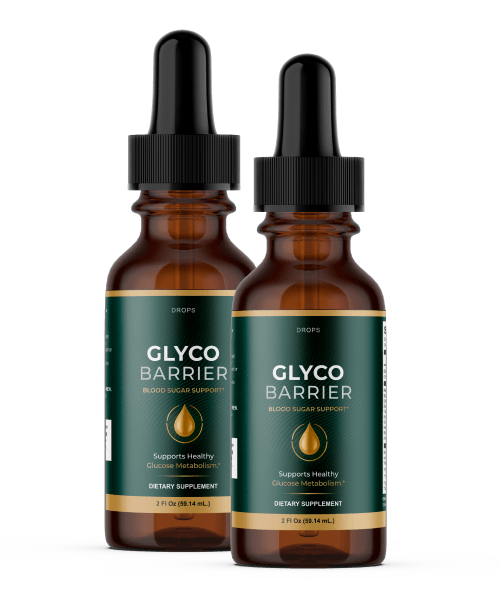
Before you watch: who this is for
It may be for you if you have type 2 diabetes or prediabetes, the afternoon or evening sweet tooth keeps undoing your good days, and your A1c is still climbing even though you are trying. It is also for the people who sit at your table, because they see the 3 p.m. cupboard and the 9 p.m. freezer too.
It is not a reason to change your medication on your own. If you take insulin or anything that lowers blood sugar, talk to your doctor before adding anything new, and keep checking your numbers. If your readings run very high, or come with heavy thirst, frequent urination or blurry vision, that is a call to your doctor first.
Give the presentation real attention, ideally with your notebook or your partner next to you. It goes into what the researcher believes is happening at the pancreas, why the cravings are a symptom rather than the cause, and the simple daily habit she built around it. Then decide for yourself.
Your A1c is a three-month picture. The next three months can look different from the last three.
See the daily habit behind Marlene's quieter afternoonsP.S. If you are reading this between 3 and 4 in the afternoon with the cupboard door half open, you already know why this article found you. Close the door, sit down, and hear the reason it keeps opening.
Further Reading
The Pancreatic Parasite Theory: What Science Actually Says
The idea behind many of this year's blood sugar presentations
Why Is My Blood Sugar High in the Morning When I Didn't Eat?
The 3 a.m. answer most advice leaves out
About this article: Reader accounts are shared with permission; names and some details have been changed for privacy. The views of the researcher featured in the presentation are her own and have not been independently verified by MetabolicDaily.
Medical Disclaimer: This article is for informational purposes only and does not constitute medical advice. Results vary. Statements about supplements have not been evaluated by the Food and Drug Administration, and supplements are not intended to diagnose, treat, cure or prevent any disease. Consult your healthcare provider before starting any supplement, especially if you take medication for blood sugar.